
The Woman at the Well Didn’t Get a Fresh Start—She Got Exposure
When we talk about freedom, we usually imagine relief. We picture burdens lifting, wounds healing, and doors opening. We assume freedom feels like a fresh start—a chance to leave behind what has hurt us and step into something new.
But in John 4, Jesus offers a kind of freedom that feels far less comfortable than that.
The woman at the well arrives carrying a complicated story. We don’t know all the details of her circumstances, but we know enough to understand that her life has become a source of public shame. She comes to draw water alone in the heat of the day, likely avoiding the crowds and conversations that would remind her of how she is perceived.
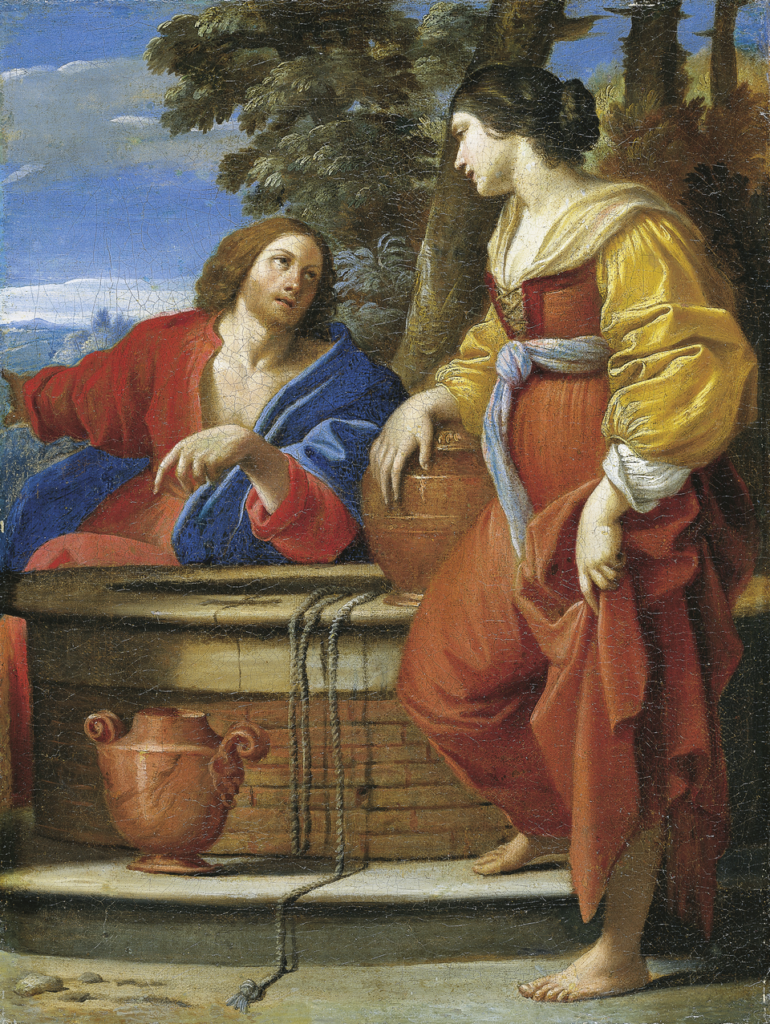
Then Jesus begins a conversation that quickly becomes personal.
At first, He speaks about living water, but then He abruptly shifts the discussion. “Go, call your husband and come back.”
The woman responds, “I have no husband.”
Jesus replies, “You are right when you say you have no husband. The fact is, you have had five husbands, and the man you now have is not your husband.”
It’s difficult to overstate how uncomfortable that moment must have been. The very thing she might have hoped to keep hidden is suddenly brought into the open. Jesus names the reality of her life with startling precision. He doesn’t soften it. He doesn’t avoid it. He doesn’t pretend it isn’t there.
What strikes me most is what happens next.
Jesus doesn’t repair her reputation.
He doesn’t explain her circumstances. He doesn’t defend her choices. He doesn’t promise that everyone in town will suddenly see her differently. In fact, when their conversation ends, her social situation remains exactly the same as it was before. The same people know her story. The same whispers likely exist. The same past follows her home.
Yet she leaves transformed. Why? Because Jesus gives her something deeper than social rehabilitation. He gives her the experience of being fully seen.
For many women, this may be one of the most frightening experiences imaginable. We spend so much of our lives managing perception. We carefully curate what others see, hoping to minimize judgment and maximize acceptance. We hide weaknesses, smooth over failures, and quietly carry the parts of our stories that feel too messy to reveal. We often believe freedom will come when our image is repaired—when people finally understand us correctly, appreciate us fully, or forget what we’d rather leave behind.
But Jesus never offers the woman a repaired image. Instead, He offers her the startling realization that she can be completely known and still be loved.
This is where the story confronts us. Most of us want freedom, but we want it on comfortable terms. We want healing without vulnerability. Acceptance without exposure. Transformation without honesty. We want God to remove our shame while allowing us to keep our masks.
Yet throughout Scripture, freedom rarely begins with comfort. It begins with truth.
The woman at the well discovers that the thing she fears most—being fully known—is actually the doorway to her liberation. The moment of exposure becomes the moment she no longer has to hide. What she thought would destroy her becomes the place where she encounters the grace of God.
There is a wisdom here that many of us spend years learning: comfort keeps us familiar, but freedom calls us forward. Comfort allows us to remain hidden inside carefully constructed versions of ourselves. Freedom asks us to step into the light and trust that God’s love is greater than the truth we are afraid to reveal.
This is why freedom can feel uncomfortable in our own lives. Sometimes freedom looks like having the conversation you’ve been avoiding for years. Sometimes it looks like admitting you need help. Sometimes it looks like releasing a relationship, a habit, or an identity you’ve outgrown. Sometimes it simply looks like telling the truth after years of pretending everything is fine.
The discomfort isn’t always a sign that something is wrong. Often, it is evidence that something is changing.
I wonder how many of us are delaying freedom because we are waiting for it to feel safer than it actually is. We tell ourselves we’ll be honest when we’re less afraid, vulnerable when we’re more confident, obedient when we’re more certain. But freedom often begins before any of those feelings arrive. It begins with a single act of courage.
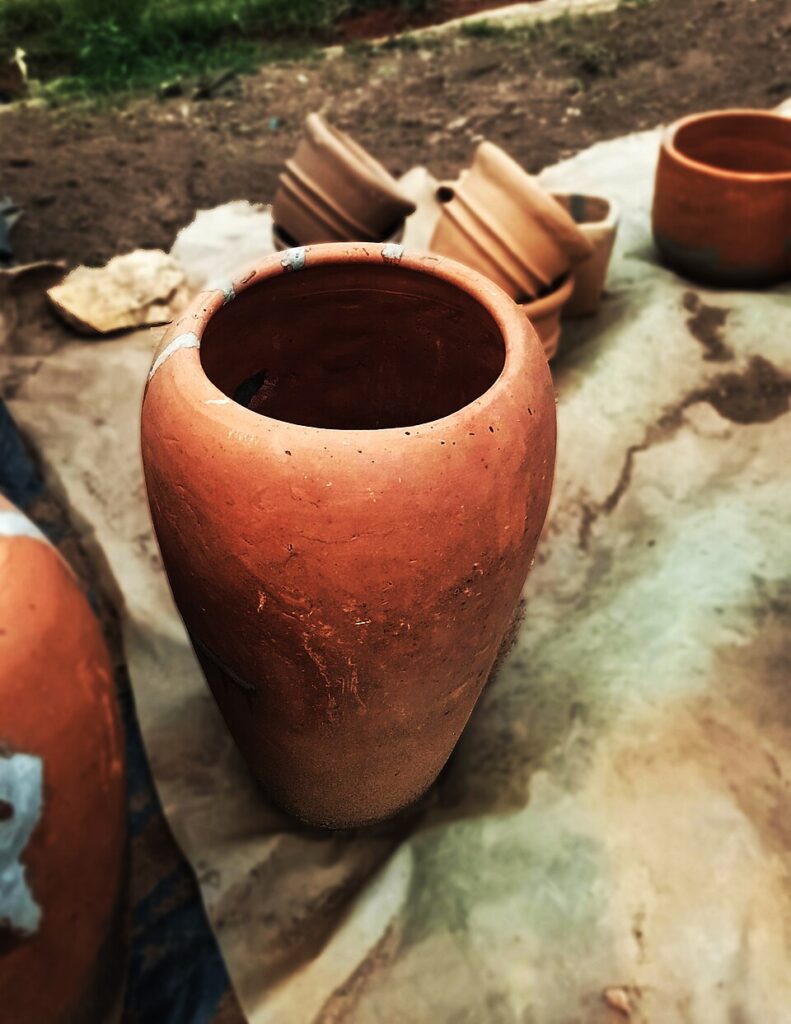
Perhaps that is why one small detail in this story feels so significant. After her encounter with Jesus, the woman leaves her water jar behind. The object that brought her to the well is forgotten because she has found something she didn’t know she needed. She came searching for water. She left carrying the truth.
And truth, while uncomfortable, proved far more life-giving than the burden of hiding.

The woman at the well did not receive a fresh start in the way we often imagine one. Jesus did not erase her history or reconstruct her public image. He did something far more radical. He looked directly at the parts of her life she would rather conceal and remained present.
In that moment, she discovered that freedom is not found in becoming someone else. It is found in being fully seen by God and discovering that His love remains. That kind of freedom is rarely comfortable.
But it is, oh so real.