
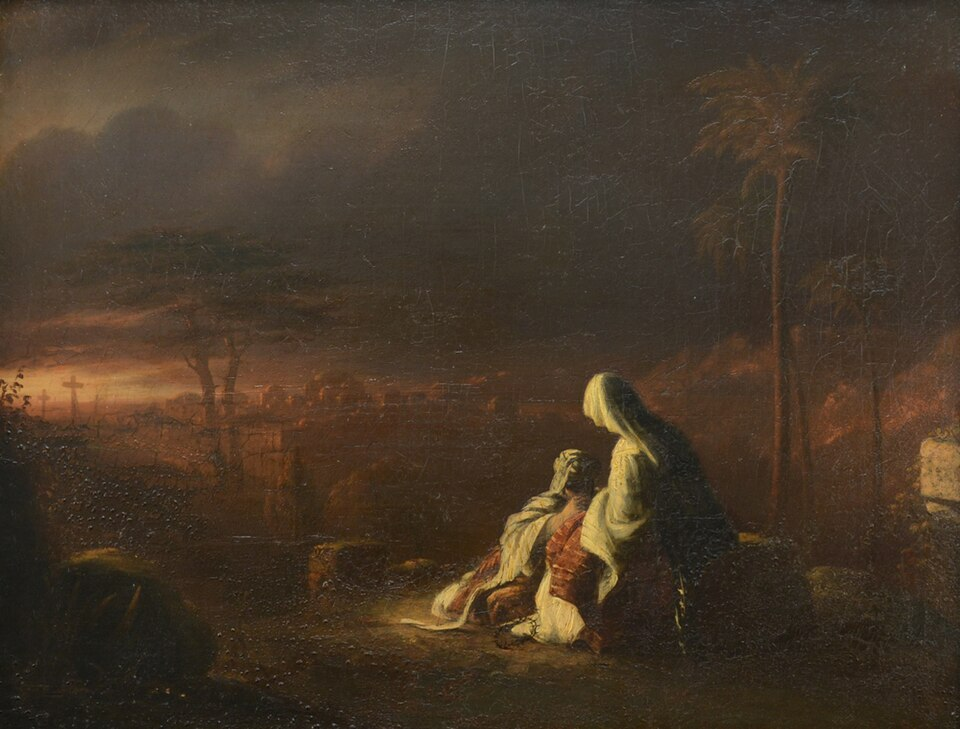
There is a version of Christianity we can accidentally build without realizing it. We hear that God has a purpose for our lives, so we assume that being chosen by God should eventually make our lives make sense. We imagine that if we are obedient enough, faithful enough, prayerful enough, and willing enough, the doors will open, the right people will recognize us, the confusion will clear, and the pieces will eventually fall into place. But then we open the Bible something unsettling happens.
The people God chooses rarely experience their calling as immediate elevation. More often, they experience it as loss first.
Abraham is called, and the first thing God tells him to do is leave. Joseph receives a dream about his future, and then he is thrown into a pit, sold into slavery, falsely accused, and forgotten in prison. David is anointed king, and then spends years running for his life in the wilderness. Mary is told she is highly favored, and her favor comes with pregnancy before marriage, potential disgrace, uncertainty, and a sword that will pierce her soul. And Jesus—the beloved Son of God—goes to a cross.
If we are not careful, we can misunderstand what “chosen” means. Because in Scripture, being chosen does not primarily mean being protected from difficulty.
It means being entrusted with God’s purposes in the middle of difficulty.
Maybe the loss is not the opposite of the calling
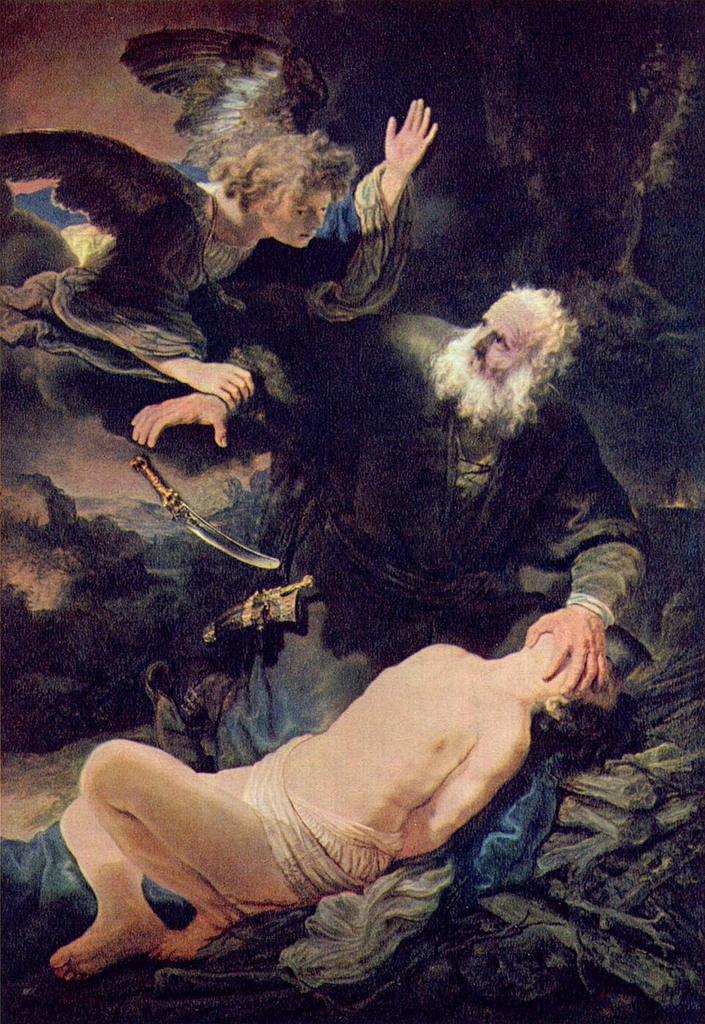
Abraham’s story begins with a command to leave his country, his relatives, and his father’s household and go toward a place God would show him. The promise is enormous: God will make him into a great nation, bless him, and make him a blessing to others. But the first evidence of the promise is not arrival. That’s worth sitting with. Before God gives you something new, He may ask you to loosen your grip on something familiar.
Not because everything familiar is bad. But because we have a remarkable tendency to confuse familiarity with safety and stability with obedience. Sometimes the hardest thing God asks us to surrender is not a sinful thing. It is a good thing that has become too important. A reputation. A relationship. A timeline. A career identity. The approval of people who once validated us. The version of ourselves we worked very hard to become. The dream we thought God was supposed to fulfill exactly as we imagined it.
Abraham had to leave before he understood where he was going. And Hebrews later describes this as faith: Abraham obeyed even though he did not know where he was going, living in the promised land as a stranger and looking beyond what he could immediately see.
That is not glamorous faith. And then the story gets even stranger.
God eventually asks Abraham to take Isaac—the very son through whom God had promised that Abraham’s descendants would come—and offer him as a sacrifice. Abraham doesn’t get an explanation. He doesn’t get a plan. He simply gets a command that seems completely impossible to reconcile with everything God had already promised him.
We know how the story ends: God stops him before Isaac is killed and provides a ram instead. But imagine being Abraham in that moment. Imagine trying to explain that obedience to everyone around you. Someone could have looked at him and said, “You heard God wrong. There is no way God would ask you to do this. Think about what He already promised you.” And from their perspective, it would have sounded completely irrational.
That’s part of what makes Abraham’s faith so uncomfortable. Following God will not always look reasonable to everyone watching you. Sometimes obedience to God will look strange before it makes sense. People may tell you that you’re crazy, that you’ve misunderstood, that you should go back to what is familiar because surely God wouldn’t lead you somewhere so uncomfortable. But Abraham had to learn the difference between listening to the voices around him and trusting the voice of God.
And yet, the story also gives us an important boundary: Abraham wasn’t ultimately called to take Isaac’s life. God Himself intervened. The point wasn’t that Abraham had to become a violent man or blindly follow every thought that entered his mind. The point was that Abraham was willing to surrender even the thing he loved most, the very promise he had waited years to receive and trust God with what happened next. That’s a different kind of surrender. Honestly, the kind of surrender that I aspire to.
Sometimes following God may feel weird. You may have to walk away from something that everyone else thinks you should hold onto. And sometimes the hardest part is trusting God when you can’t explain your obedience to anyone else. Faith doesn’t mean every strange impulse is God’s voice. We must seek the Holy Spirit to know the difference. Then when God has clearly spoken, we don’t need everyone else’s approval before we obey. Abraham didn’t have all the answers. But he trusted the One who made the promise.
Joseph had a dream, and then everything seemed to contradict it
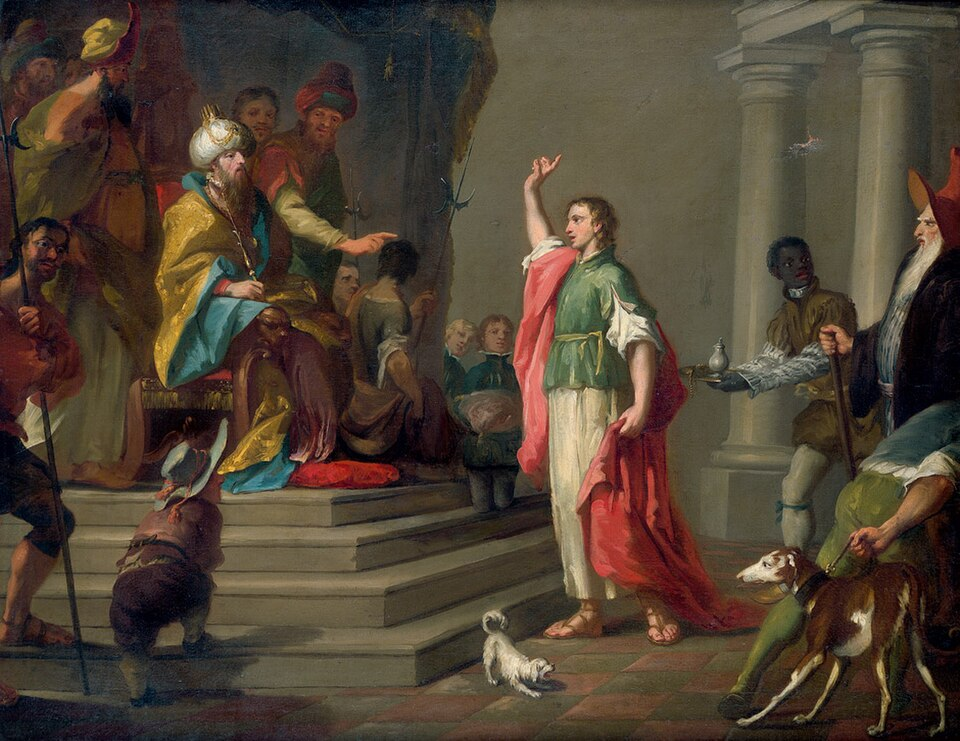
Joseph may be one of the clearest examples. He receives dreams suggesting that his life will somehow involve his family bowing before him. Then almost immediately, his brothers hate him, throw him into a pit, and sell him. Imagine believing you heard from God and then watching circumstances move in the exact opposite direction.
The dream said one thing. The pit said another.
And this is where many people abandon faith. Not necessarily because they stop believing in God. They stop believing because their circumstances seem to contradict what they thought God said. But Joseph’s story eventually reveals something profound: the pit was not proof that the dream was false. The betrayal was not the end of the story.
Years later, Joseph could look back and say that although his brothers intended evil against him, God intended it for good and used the entire story to preserve many lives. Notice what Joseph does not say. He does not say, “What happened to me was actually good.” He says God brought good through what was intended for evil. That’s an important distinction. Christian hope does not require us to call evil good.
You don’t have to call betrayal a blessing. You don’t have to call abuse “God’s way of developing you.” You don’t have to call grief a gift. You don’t have to pretend rejection didn’t hurt. You don’t have to romanticize the wilderness. God’s ability to redeem something does not make the thing itself good. It means evil does not get the final word. That is a much stronger hope.
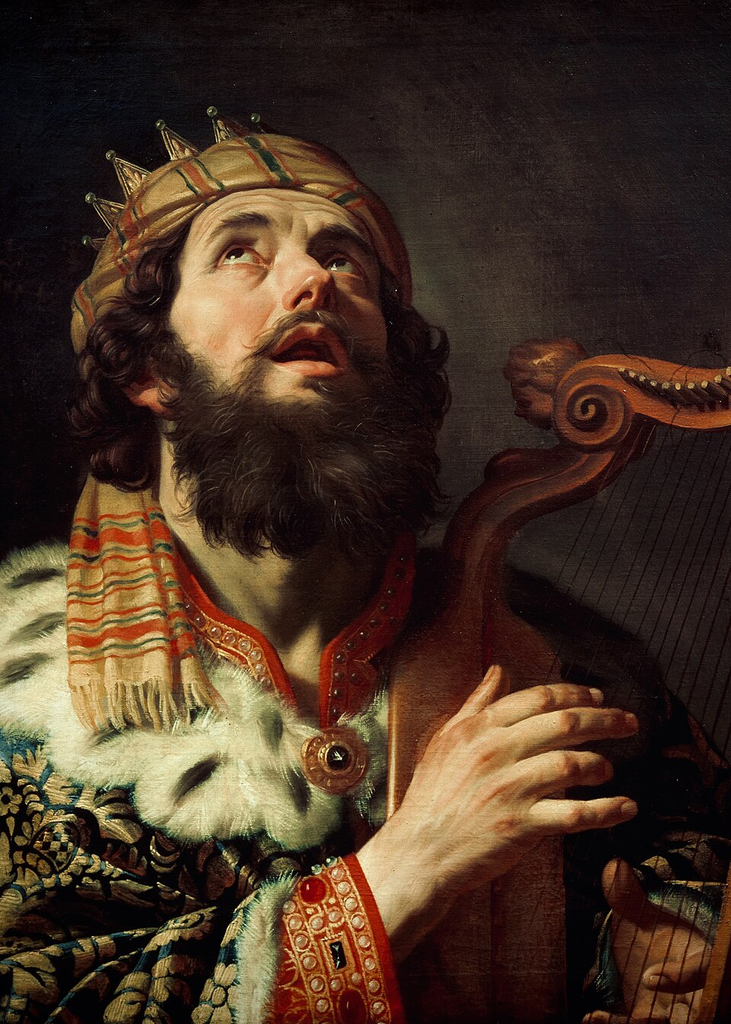
David was chosen—and then he became a fugitive
David gives us another startling picture. Samuel anoints David, and the Spirit of the Lord comes powerfully upon him. The calling is real. The anointing is real. And then David goes into the wilderness. Saul hunts him. David hides in caves. He lives under threat. He has opportunities to seize the throne before the appointed time, including an opportunity to kill Saul in a cave, but he refuses to take the kingdom by violence.
What if the season that feels like you’re being overlooked is actually forming the character you’ll need when you’re finally seen? We often want the promise without the preparation. We want David’s throne without David’s caves. Joseph’s influence without Joseph’s prison. Abraham’s inheritance without Abraham’s leaving. But Scripture repeatedly shows us that God is doing something deeper than giving people positions. He is forming people who can carry what He gives them without being destroyed by it. And sometimes the hidden season is where that formation happens.
Chosen does not mean untouchable. This may be one of the most important truths for anyone who feels called by God: Your calling does not make you untouchable.
You can be chosen and misunderstood. Chosen and rejected. Chosen and lonely. Chosen and disappointed. Chosen and exhausted. Chosen and afraid. Chosen and waiting. Chosen and grieving. Chosen and still learning. We have to stop measuring God’s presence by the absence of suffering.
And then there is Mary
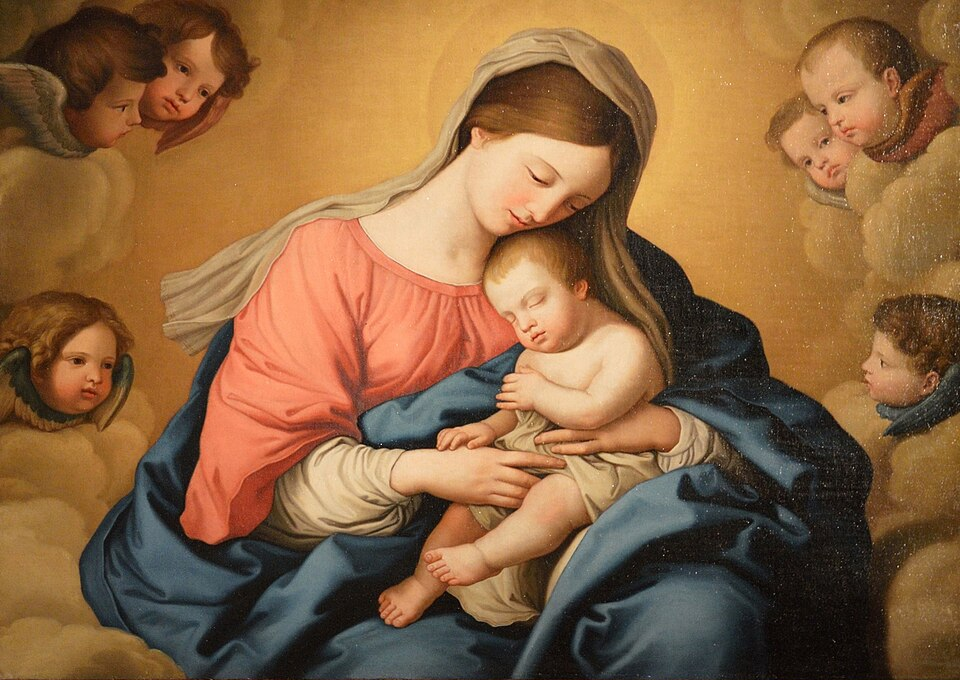
Mary may be one of the most beautiful examples because her story exposes our obsession with respectability.
She is favored by God. And that favor does not initially look like social security. Her obedience places her in a situation that was easily misunderstood by the people around her. She has to carry something she cannot fully explain. She has to trust God with her reputation. And later, Simeon tells her that a sword will pierce her soul.
Think about that phrase.
A sword. Not a promotion. Not a comfortable life. Not a promise that she will understand everything. A sword. I actually wanted to add the word “freaking sword”!
Mary’s yes to God did not prevent pain. It opened her life to participation in something infinitely bigger than herself—but that participation cost her something. This is where authenticity becomes essential. Because often Christians are afraid to admit what obedience costs. We clean up our testimony. We skip the loneliness. We gloss over the unanswered questions. We hold back on sharing the nights when our faith felt more like holding on for dear life than celebrating. We make everything sound victorious because we are afraid that admitting the pain will make us sound faithless.
But Scripture doesn’t do that. David writes from caves. Mary stands at the cross. Biblical faith is not pretending the loss doesn’t hurt. It is refusing to believe that the loss has the authority to define us or our story.
The greatest example is Jesus.
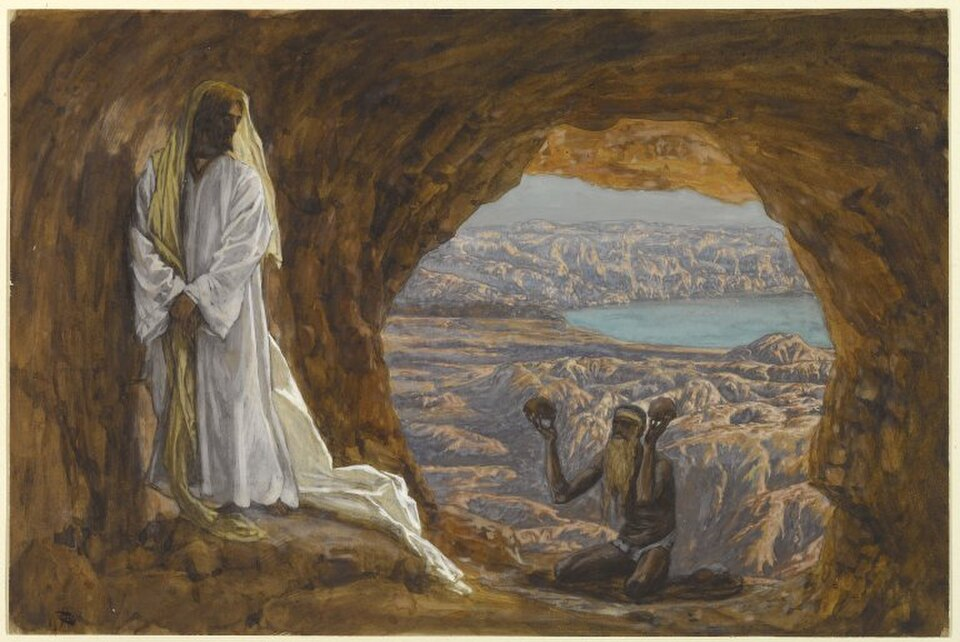
This is where the entire pattern comes into focus. Jesus was chosen, beloved, and he was obedient. And His obedience led to the cross. The cross looked like defeat. It looked like abandonment. It looked like the collapse of everything His follower’s thought was going to happen. His body was broken. His reputation was mocked. His ministry appeared to end in death. And yet Christianity is built on what happened next.
Resurrection.
This is the pattern we keep seeing throughout Scripture: death does not get the final word. The pit is not the final word. The wilderness is not the final word. The cave is not the final word. The rejection is not the final word. The cross is not the final word. And that changes the way we understand our own losses. Not every loss will be restored in the way we want. Not every prayer will receive the answer we imagined. Not every relationship will be repaired. Not every injustice will be corrected in our lifetime. But for the person who belongs to Christ, loss is never sovereign. Jesus is!
So what do we do when we’re in the “loss first” part?
First, stop assuming the hard season automatically means you missed God. Sometimes difficulty is evidence that something is wrong, you need to repent or you need wise counsel. Sometimes you need to leave an unsafe situation or leave a closed door really closed. But hardship by itself is not proof that you are outside God’s will.
Second, let God take away what you cannot carry into the next season. We keep asking God to restore what He is asking us to release. That’s painful. But there is a difference between losing something and losing yourself. You may lose the relationship and still belong to Christ. You may lose the job and still have an identity. You may lose the opportunity and still have a calling. You may lose the version of your future you planned and discover that your life was never ultimately held together by your plans. Do you see the difference?
Third, don’t let bitterness become your identity. This is where Joseph’s story becomes especially powerful. He was genuinely wronged. But he didn’t allow what his brothers did to become the author of his life. You can acknowledge what happened without building your entire identity around what happened. You can say, “That hurt me,” without saying, “That ruined me.” The enemy may be able to point to the wound, but Christ gets to define the person.
Fourth, keep moving while you wait. David didn’t sit in a cave and Joseph remained faithful in prison. The people of God throughout Scripture kept moving with whatever light they had. You don’t need the entire future revealed to take the next faithful step. Often times, the next step is very ordinary. Make the phone call. Tell the truth. Go to therapy. Forgive without pretending what happened was okay. Set the boundary. Apply for the job. Get out of bed. Open your Bible. Go to church. Take the walk. Apologize. Rest. Try again. Ask for help. Pray again. Whatever it is…keep going. Sometimes victory looks like refusing to quit.
And finally, remember what “victory” actually means
This may be the greatest correction of all. If we define victory as getting everything back, becoming successful, being vindicated, having everyone apologize, or finally receiving the life we wanted, then even Christians can spend their entire lives waiting for a victory that may never come in that form. But the gospel gives us something deeper.
Victory is not ultimately that you got your old life back. Victory is that Christ got you, that sin does not own you and neither does death. Your past does not own you. Other people’s opinions do not own you. Your worst mistake does not own you. Your greatest loss does not own you. Jesus does.
And because Jesus rose, the Christian story can never finally be reduced to what was taken from us. There is resurrection on the other side of the cross. There is life on the other side of death. There is redemption beyond what we can currently see. That doesn’t mean every earthly story resolves neatly. It means the ultimate story already has. Christ has died. Christ is risen. Christ is victorious. And if you belong to Him, your life is being held inside that story.
So perhaps the question isn’t, “Why did God choose me if this was going to happen?” Perhaps the deeper question is: “What if the loss I’m experiencing is not evidence that my life is falling apart, but an invitation to discover that Christ is enough even when the things I used to depend on are gone?” God is the kind of God who can take what looks like an ending and write resurrection into it. So, keep walking. Not because you know exactly where the road leads. Keep walking because you know Who walks with you. Let the losses strip away what was never strong enough to hold you. Let the waiting deepen you. Let the unanswered questions drive you closer rather than farther away. And when you cannot see the victory yet, remember this: The cross looked like loss until Sunday.
You may not know what God will do with every chapter of your story. But you know how the story ends. Jesus wins. And because He wins, your loss does not get the final word. Your waiting does not get the final word either. Christ does.
Leave a Reply