
Mary Said Yes to God—and It Ruined Her Reputation
We often talk about Mary’s story as if saying yes to God immediately made everything beautiful. The angel came. Mary believed. She surrendered. She said, “Let it be to me according to your word.” And we know the rest of the story. But before Mary became the woman we put in nativity scenes, she was a young woman with a reputation to lose.
She was engaged to Joseph. She was living in a culture where her pregnancy outside of marriage could bring shame, suspicion, and serious consequences. And suddenly, she had to carry a story that almost nobody around her could verify. Imagine trying to explain that. “I’m pregnant, but I haven’t been unfaithful. God did this.” How do you prove something like that? Mary’s obedience didn’t make her look respectable.
It made her look suspicious.
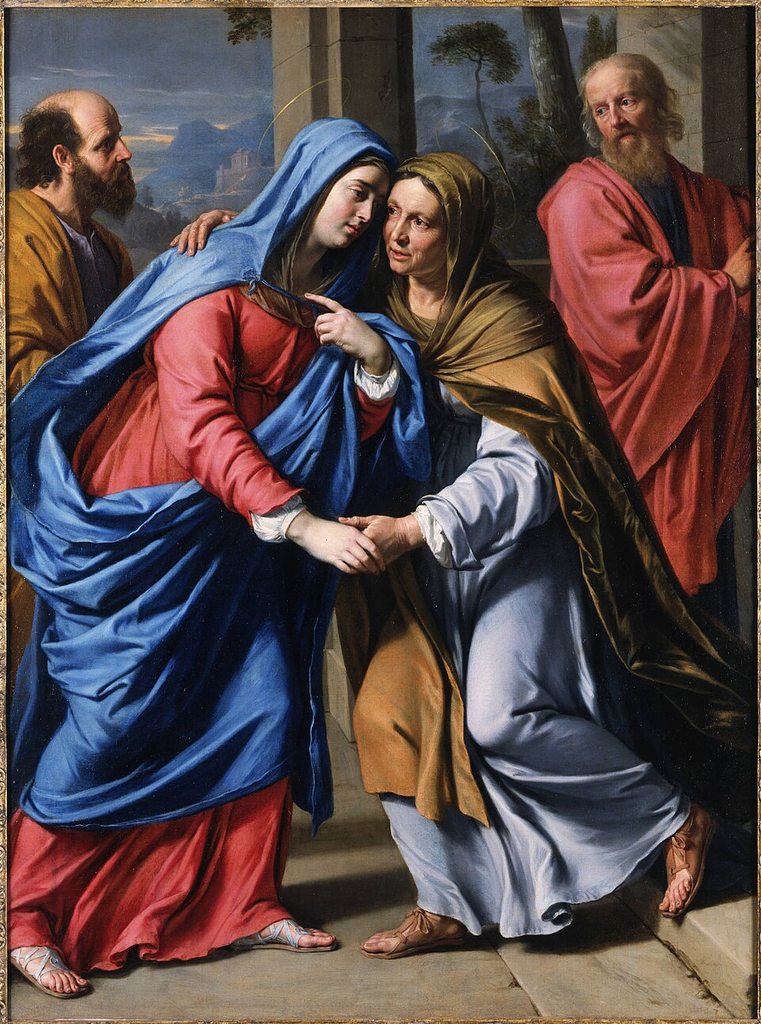
And I think we sometimes forget how much risk was contained in her yes. We like to tell women that if they follow God, He will protect their reputation. That if they make the right choices, people will understand. That if their hearts are sincere, eventually everyone will see the truth. But Mary’s story doesn’t promise that. She said yes to God, and people could have misunderstood her. She said yes to God, and Joseph initially considered ending their relationship quietly. She said yes to God, and her obedience required her to carry something she couldn’t fully explain.
Her faithfulness did not protect her from being misunderstood.
And maybe that’s an important word for women who have spent years trying to be good enough to avoid criticism.
Because sometimes obedience to God will not make everyone understand you. Sometimes following what you believe God is asking of you will disappoint people. Sometimes it will make you look foolish. People will tell a different story about you than the one you know to be true. And likely you will have to surrender the comfort of being well thought of.
Mary couldn’t control what people thought about her. She could only decide what she would do with God’s invitation. Her response was not, “But what will everyone think?” Her response was essentially, “I am the Lord’s servant.” That’s costly obedience. Not obedience that guarantees applause. Not obedience that protects your image. Obedience that says, God, I trust You with the consequences of saying yes.
And maybe that’s where some of us are. Perhaps, you’ve said yes to something God has put in front of you, and instead of feeling more secure, you’re feeling more exposed. Are you being misunderstood? Maybe someone thinks you’ve made the wrong decision. Mary’s story reminds us that being misunderstood by people does not mean you’ve been abandoned by God. She couldn’t control her reputation, but she could trust the One who knew the truth. And eventually, the story God was writing became bigger than the story people might have told about her.
So, if saying yes to God costs you some approval, some comfort, or even the certainty that everyone will understand you, don’t assume you’ve done something wrong. Mary shows us that a life surrendered to God can still be a life deeply held by God—even when the world doesn’t understand it.

Leave a Reply