
Why Jesus Let Lazarus Stay Dead Longer
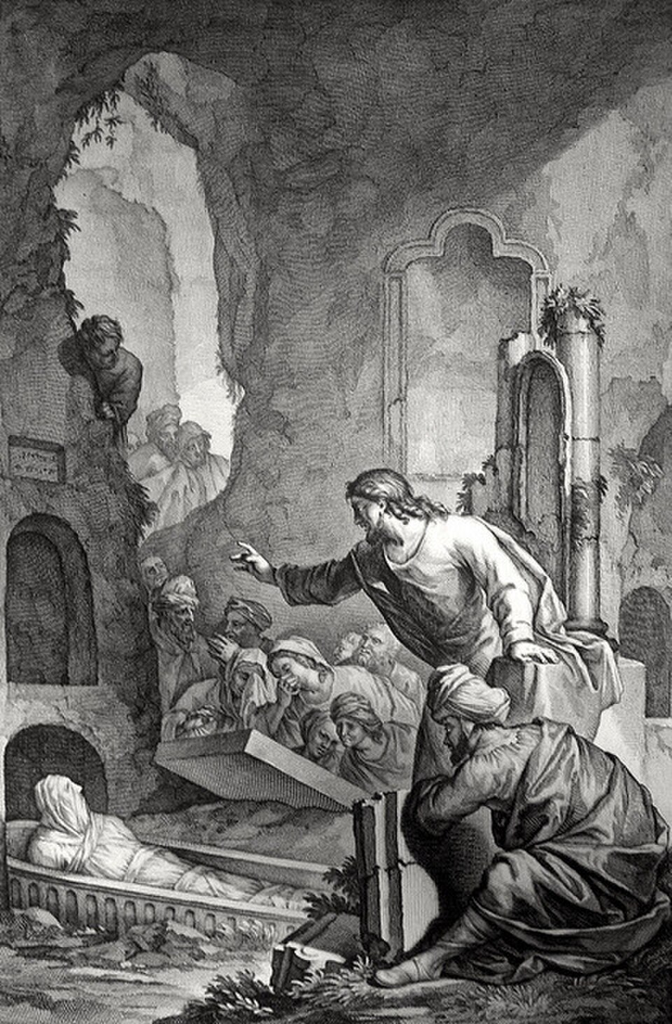
There is something deeply uncomfortable about John 11. Mary and Martha send word to Jesus because their brother Lazarus is sick. They know Jesus can help. They have seen what He can do. They know He loves their family. And yet, when Jesus hears that Lazarus is sick, He doesn’t immediately go to him. He waits.
John is very intentional about telling us this. Jesus loved Martha, Mary, and Lazarus, and yet He stayed where He was for two more days. That’s the part I don’t want to skip over. The delay wasn’t because Jesus didn’t love them. In fact, John connects His love for them directly to the decision to wait.
And eventually, Lazarus dies.
By the time Jesus arrives, Lazarus has been in the tomb for four days. Martha comes out to meet Him and says the words so many of us have probably felt at some point in our own lives: “Lord, if you had been here, my brother would not have died.”
It’s easy to read that as a statement of faith, but I also hear grief in it. Maybe even a little accusation. If you had been here, this wouldn’t have happened.
Mary says essentially the same thing when she finally reaches Jesus.
And I think that’s one of the reasons this story matters so much, especially for women who have been taught to pray, trust, wait, and believe that God will show up. Because sometimes He doesn’t show up when we thought He would. And sometimes the prayer is answered later than we can bear. Sometimes we ask God to intervene, and the situation gets worse before anything changes.
John 11 doesn’t give us the easy answer that delayed help means everything will eventually turn out exactly the way we wanted. Lazarus does come out of the tomb, but not every story of loss ends that way. We know that. We live in a world where some prayers for healing aren’t answered with healing, some marriages don’t survive, some children don’t come home, some opportunities don’t return, and some things we begged God to preserve are still lost.
So what do we do with a Jesus who sometimes waits?
Maybe the first thing we do is stop pretending that waiting doesn’t hurt. Jesus doesn’t rebuke Martha for saying, “If you had been here.” He doesn’t tell Mary that she should have trusted better or prayed harder. He meets them in their grief. And then, standing outside Lazarus’s tomb, Jesus weeps. That detail changes something for me.
The delay didn’t mean the pain was invisible to Him.
Jesus could have arrived before Lazarus died. He could have prevented the funeral, prevented the mourning, prevented those four days of uncertainty and heartbreak. But He didn’t. Whatever we believe about God’s purposes in this story, we cannot erase the fact that Jesus allowed people He loved to experience a devastating delay.

Maybe that’s part of what faith looks like sometimes—not knowing why God waited but discovering that His presence is still there when He does. Because sometimes the hardest prayer isn’t, “God, can You help me?” It’s, “God, where were You when I needed You?” And John 11 gives us permission to ask it. Martha asked it. Mary asked it. And Jesus didn’t walk away from them because they were honest about their pain.
Maybe you are in that space right now. Maybe you’ve been told to keep believing that God will show up, but you’re tired because you’ve been waiting longer than you ever imagined. Maybe you’ve watched something you love slip away while wondering why God didn’t intervene sooner. I don’t think John 11 asks us to call that waiting easy. It asks us to look at Jesus in the middle of it. Because the story doesn’t begin with a God who doesn’t care.
It begins with a God who loves them—and waits. And sometimes, that’s the mystery we have to sit with.
And the waiting is not the end of the story. Even when we cannot see what God is doing, we can still trust that the God who weeps with us is not finished with us—and that He is able to bring life, hope, and redemption into places we thought were beyond saving, every single time.